
Raw material for sustainable energy and mobility
Global lithium demand is projected to reach 2.5–3.3 million tonnes of carbonate equivalent per year by 2030.
Lithium is Vital: Batteries Today, Nuclear Fusion Tomorrow
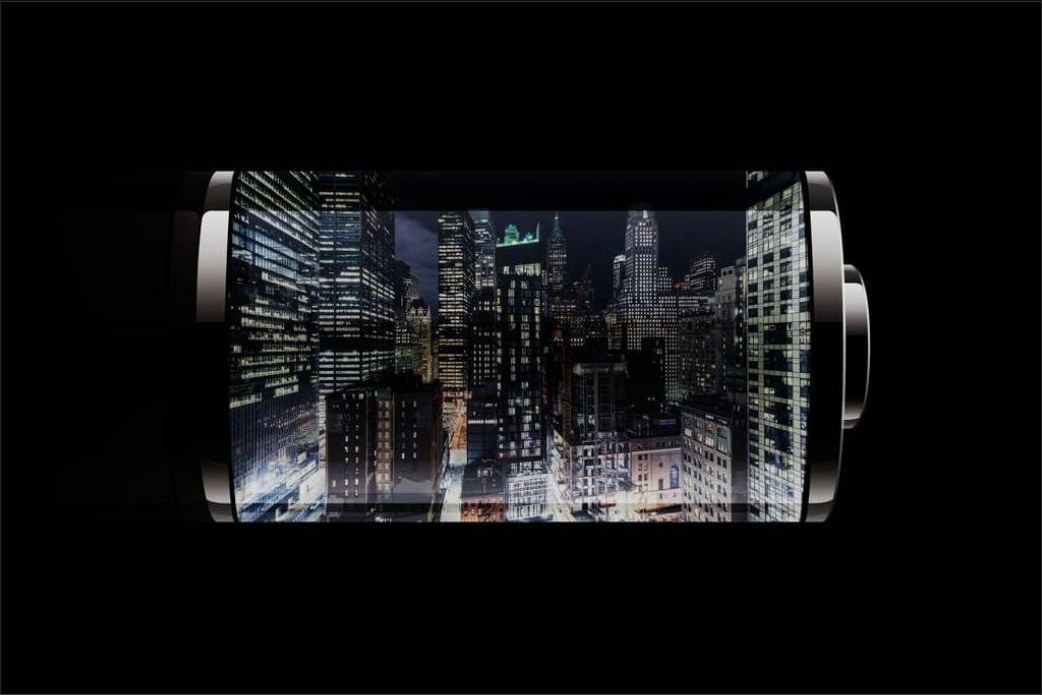
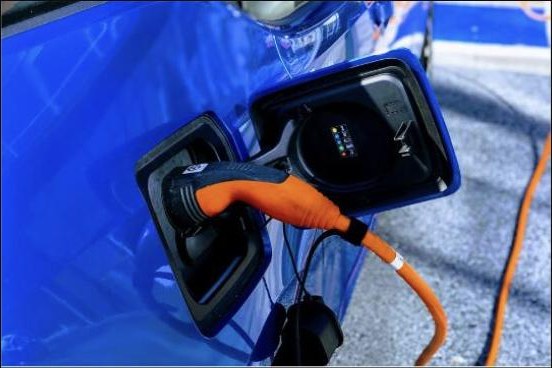
Lithium is the cornerstone of the global energy transition, fuelling the devices and systems that define modern life. Global consumption reached about 263,000 tonnes of lithium content in 2025 — roughly 1.4 million tonnes of lithium carbonate equivalent — driven by lithium-ion batteries in electric vehicles, consumer electronics and grid-scale energy storage. Lithium is the lightest metal, and it is that property, together with its electrochemical potential, that gives lithium-ion cells the energy density electric vehicles need for viable range.
Lithium: Energizing
By 2030, lithium demand is projected to reach 2.5 to 3.3 million tonnes of lithium carbonate equivalent a year — roughly two to two and a half times the 2025 level. The growth comes from the electric vehicle fleet, which the International Energy Agency expects to grow more than sixfold between 2025 and 2035, and from the rapid build-out of stationary storage for renewable grids. Battery demand itself is forecast to grow at about 27 % a year, reaching some 4,700 gigawatt-hours by 2030 against 285 gigawatt-hours in 2019.
Beyond batteries, lithium is critical in nuclear fusion, where lithium-6 breeds the tritium fuel and lithium is used to condition reactor walls, offering the promise of clean, limitless energy. Lithium also supports industries like pharmaceuticals, treating conditions such as bipolar disorder, and manufacturing, strengthening glass and ceramics. With world mine production rising from about 82,000 tonnes of lithium content in 2020 to some 290,000 tonnes in 2025 — close to 1.5 million tonnes of carbonate equivalent — and recycling poised to reduce future mining needs, lithium remains vital.
The contractually-guaranteed brine from the lithium-rich zone of Nor Lípez enables a yield of around 80,000 tonnes of battery-grade lithium carbonate per year. The entire project uses only 2% of the surface of Salar de Uyuni. Production is due to start at the end of 2026.
Our work at Salar de Uyuni
The Salar de Uyuni holds the world’s largest identified lithium resource. Until now it was not considered economically viable, because the brine carries the highest magnesium content of any major deposit — the problem that has defeated conventional methods.
Bolivia’s evaporitic resources programme — today the state enterprise YLB (Yacimientos de Litio Bolivianos) — built large evaporation basins at the Salar de Uyuni for potassium chloride and lithium carbonate production, the first of which entered operation in 2018. Rebuilding and extending those ponds has proved slow and costly.
Our project does not depend on them. The plant draws 12.23 million cubic metres a year of brine from the lithium-rich zone of Nor Lípez, using YLB’s existing wellfield — no new wellfield is sunk — at a grade of 1.5 g/L lithium, with 82 % recovery.
ACISA has developed a route that removes the magnesium using the brine’s own chemistry and produces high-purity lithium carbonate without evaporation ponds: mechanical evaporation and controlled crystallisation replace them. No exotic reagents, no unproven steps. A major advantage is that no extra water is required — the plant produces its own from the brine, and the surplus goes to the surrounding communities.
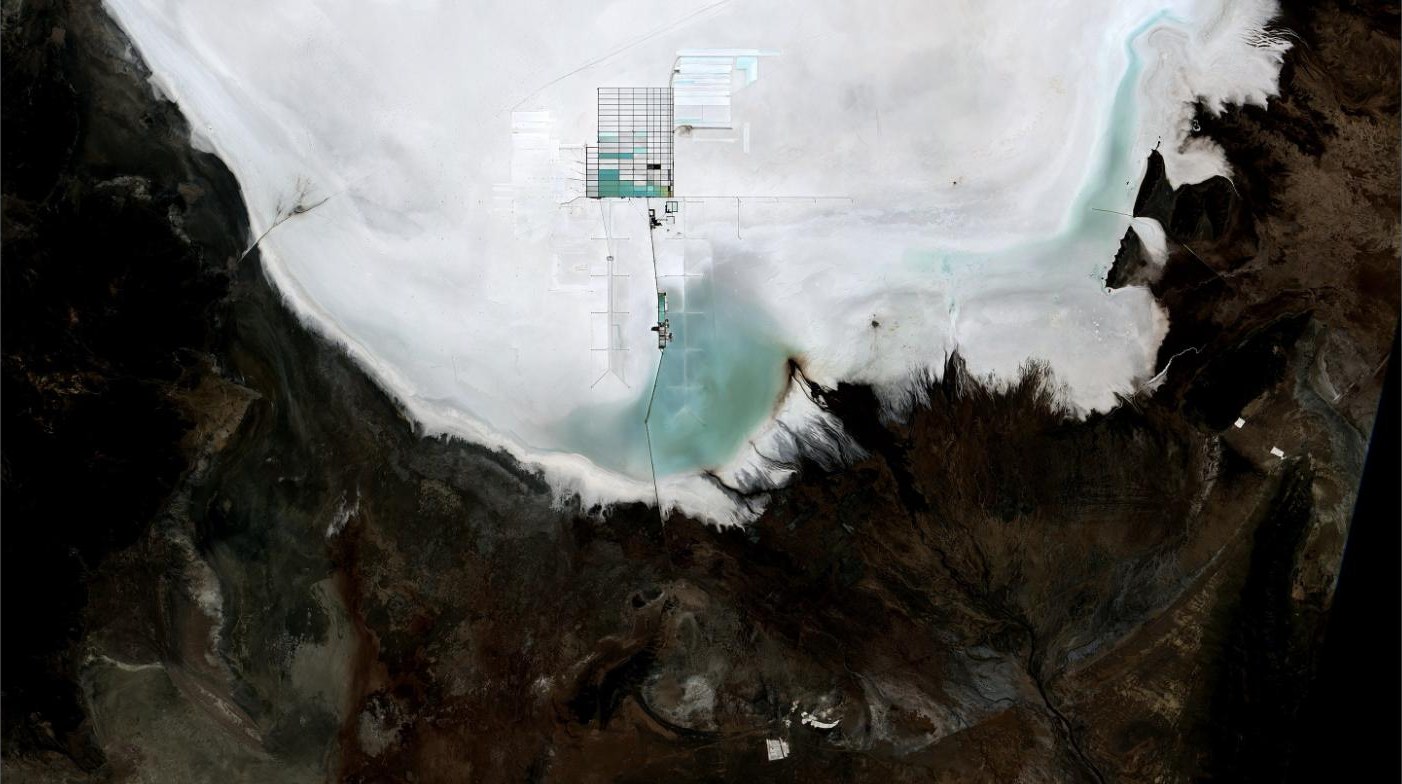
ACI Systems Alemania in Bolivia
The project produces battery-grade lithium carbonate (Li₂CO₃, >99.5 %) from the brine of the lithium-rich zone of Nor Lípez, at the Salar de Uyuni. A 10,000 t/y pilot plant is built first and runs commercially from year three; the main plant follows, reaching 80,000 t/y from year six.
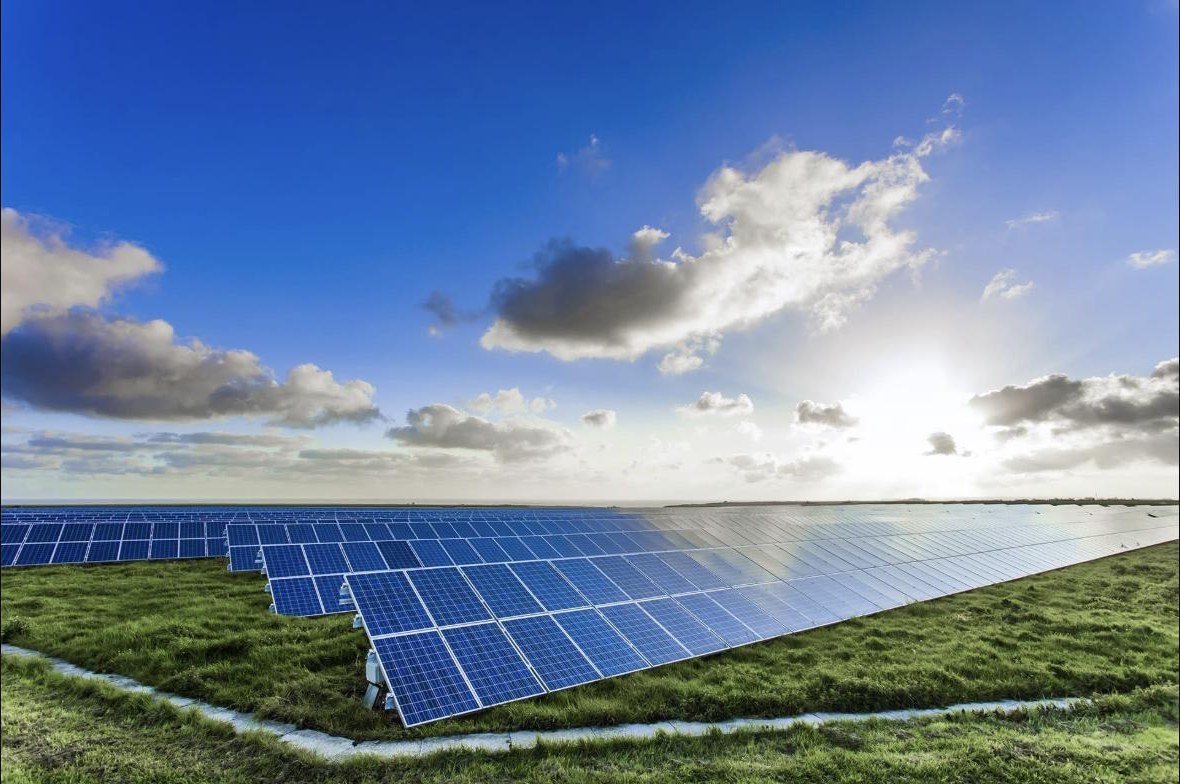
Process Route C works without evaporation ponds: mechanical evaporation and controlled crystallisation replace them, which makes the plant a net producer of water rather than a consumer of it. Energy is self-sufficient and off-grid — a photovoltaic field with battery storage and a solar-thermal field for process heat. The Bolivian State holds 51 %, the sponsor 49 %, and the sponsor funds 100 % of the equity.
Figures from the project’s techno-economic model and the Phase 0 hydrogeological assessment. Description, not assessment.